We're drilling three new wells beside it, from the same pad, into the same rock. 100% of the cost to drill and complete the wells can be written off: the labor, fuel and services on your 2026 return when paid by December 31 and drilling starts by March 31, 2027, and the equipment through 100% bonus depreciation.
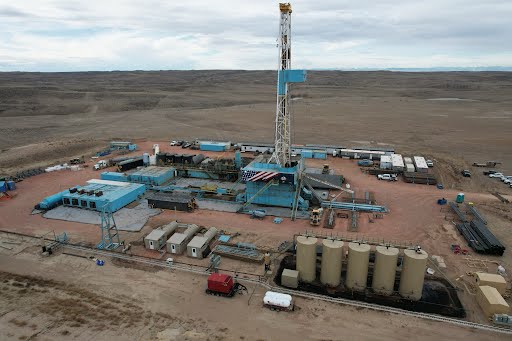
Rig 35 arrived in pieces on November 16. It is now standing on the pad, ready to drill our three new wells back to back, right beside the well that is already producing.
This is no longer a plan on paper. The iron is on the ground.
Think of the box below as the piece of land, seen from above. The solid green line is a real well that has been pumping since October 2025. It has made about 130,000 barrels of oil and sold $2.36 million of it in its first 90 days alone. The dashed lines are the three new wells, starting from the same pad and running side by side through the same rock, a few hundred feet apart.
A real well, pumping since October 2025. It came on at 752 barrels of oil equivalent a day, has made about 130,000 barrels of oil plus 113,000 mcf of gas, sold $2.36 million of oil in its first 90 days, and still flows 250+ barrels a day. Those are the buyer's statements, not a forecast.
Drilled from the same pad, one on each side of the proven well, into the same rock, the same way. We are not testing a theory. We are repeating a well that is paying today.
Targets a sandstone sitting above the proven rock, drilled the modern way with a two-mile lateral and a multi-stage frac. A nearby well in this sand has made 435,152 barrels in about 3½ years. It gives the program a second zone instead of putting all three wells in one.
Road, pad, tanks and oil and gas pipelines are already in place and already selling oil. When the new wells are finished they tie straight in. No waiting on a pipeline or a buyer.
In a conventional well, the oil has moved away from where it was made and collected in a trap, like water in the low spot of a tarp. The geologist has to be right about three separate things: that oil was made nearby, that a porous sand is where he thinks it is, and that something sealed it in. Miss one and you get a dry hole. That is why so many conventional wells come up empty.
The rock these wells target is the rock that made the oil, and the oil is still in it. It stretches across the whole basin, several hundred feet thick, and the U.S. Geological Survey classifies it as a “continuous” accumulation: no trap to find and very few true dry holes. A horizontal well doesn't go looking for the oil. It drills two miles sideways through rock that is already full of it. The question is not “is there oil?” but “how much will this one make?”
The operator drilled the proven well on this exact acreage a year ago. It came on at 752 barrels of oil equivalent a day, has made about 130,000 barrels of oil, and still flows around 250 a day. The two new wells in that rock run parallel to it, from the same pad. The operator projects about 800,000 barrels from each new well over its life.
The third well targets a sandstone above the proven rock, drilled the modern way with a long lateral and a multi-stage frac. Large operators have already proven horizontal wells in that sand in this part of the basin, and a nearby one has made 435,152 barrels. A second zone spreads the program across two layers instead of stacking everything in one.
Road, pad, tanks, oil and gas pipelines: all in place and selling oil right now. The new wells tie into facilities that exist.
Kingdom buys directly from the operator at the operator's cost, not through a promoter adding a markup. The full price per 1% is broken down below.
The drilling rig was set up on location on November 19. Because the wells drill in 2026, 100% of the drilling and completion cost, about 88% of your investment, can be written off in year one.
No oil well is guaranteed. Well-to-well results in these plays vary, and the oil price is outside anyone's control. But this is about as far from a wildcat as a new well gets: proven rock, a producing well next door, facilities already in the ground, and a direct price.
Pick your investment and tax bracket. The numbers are what the well next door actually produced in its first year, at today's oil price. If you had owned this share of that well, this is what it would have paid you.
Each 1% is one percent of all three new wells, bought at the operator's own cost. The operator and its existing partners hold the rest. Here is exactly what a piece costs and how much is left.
| Lease Your share of the acreage, 12.69 acres per 1% at $3,500 an acre | — |
| Drilling the three wells Rig, crews, fuel, mud, casing. Starts in November | — |
| Pad, roads and facilities Your share of what's already built | — |
| Completing the three wells Fracking and hooking up to the pipelines | — |
| Total for 1% of all three wells | — |
Figures are the operator's budgets per 1% of the program, unsigned estimates dated June 18, 2026, with about 10% contingency built in. You also pay your share of any overruns. About 88% of the total (drilling, completion, site work and equipment) is what the calculator above writes off in year one.
Fund by December 31 and, if drilling starts by March 31, 2027, the deduction lands on your 2026 return.
About 82% of these wells' budget is labor, fuel and fracking. The IRS lets you deduct that in 2026 if it's paid by December 31 and drilling starts by March 31, 2027 (it calls these "intangible drilling costs").
The rest of the well budget is equipment — pipe, tanks, pumps. The 2025 tax law restored 100% bonus depreciation, so all of it is written off in the year the well goes into service. Your state may spread it out.
Every year the well produces, 15% of your oil and gas income is tax-free (the IRS calls it "depletion").
To deduct this against your wages, you hold the interest directly in your name, not through an LLC. The well must start drilling within 90 days of year-end. Your CPA should confirm your situation.
Tell us how much you're considering. No commitment — it just holds your place.
Get the full package: production records, well costs, maps, agreements. Ask anything.
Confirm you're accredited, sign, and fund before December 31.
Monthly checks once the wells are producing, plus your tax forms each year.

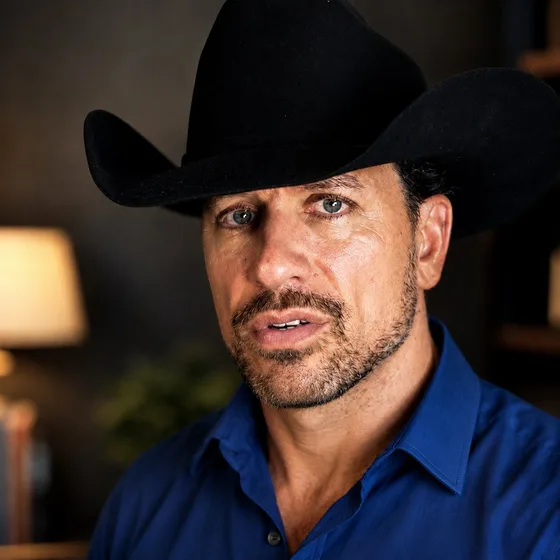
I made my first oil and gas investment in 1994. My job is to find the right projects, do the homework, and bring my investors in alongside me.
I don't drill wells — I partner with operators who already do. I picked this one because the proof is sitting right next to it: a producing well with a year of real numbers.
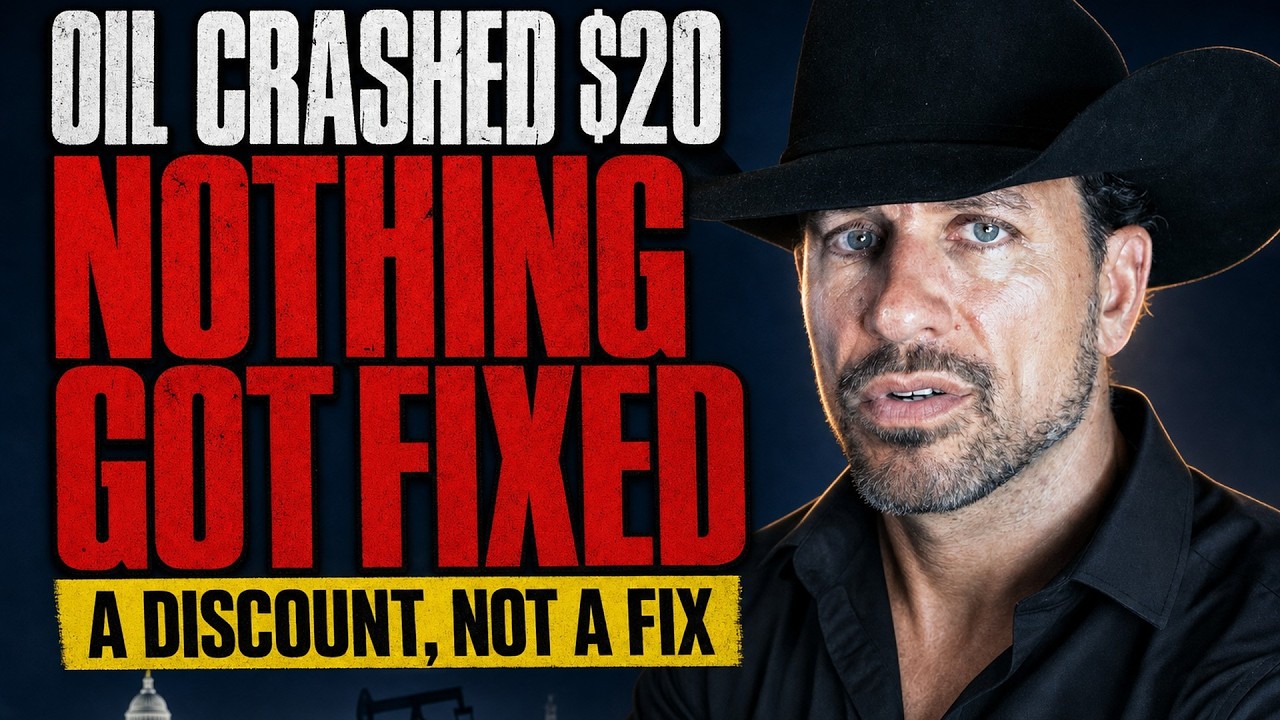
Sean's latest, playing at left: Oil just dropped $20 in three days. History says it comes back over $100. Why a dip like this has been the moment to own barrels, not sell them.
A direct piece of the new wells (a "working interest"): your share of the oil and gas they sell, and your share of the cost to drill and run them. After royalties, investors keep 74 cents of every dollar sold, before production taxes and operating costs.
An established Wyoming operator that drilled and runs the well next door and owns the pad and pipelines. Name, well details and the full package are shared after a short confidentiality agreement.
Monthly, once the wells are producing. First checks usually arrive a couple of months after the first oil is sold.
About 88% of your investment: 100% of the cost to drill and complete the wells. The labor, fuel and services (about 71%) land on your 2026 return if paid by December 31 and drilling starts by March 31, 2027. The equipment (about 17%) is written off in full through 100% bonus depreciation when the wells go into service. Only the lease cost is not written off up front. You need to hold the interest directly. Use the calculator above, then confirm with your CPA.
Yes. Generally that means $200,000+ income ($300,000 with a spouse) or $1 million+ net worth not counting your home. A third party confirms it before you invest.
No. It holds your place and gets you the full package. You decide after you've read everything.
No commitment. Takes 30 seconds. Sean will call you personally with the full package.
Sean already has your info. One tap puts you on the list — he'll send the full package the moment the project is available.
The moment the project is available, Sean will send you the full package. Want to talk sooner? Call (307) 622-1645.
Optional, one tap: roughly how much are you considering? It helps Sean know who to call first.