A direct working interest in Wyoming's Powder River Basin, drilled from the same pad into the same rock as a proven producer. Most of what you put in is deductible on your 2026 taxes. Accredited investors only.
You hold a direct share of specific wells in your own name. That is what makes the first-year deduction possible, and it is why you see every production report and every cost.
A recorded share of the wells, not units in someone else's vehicle. Monthly revenue statements and an annual K-1 come to you.
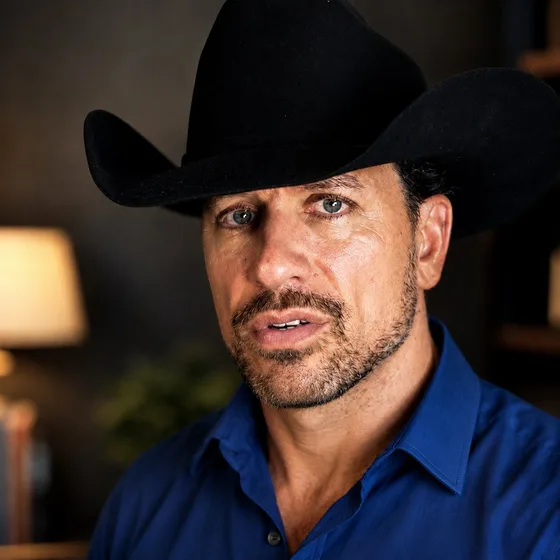
Sean's Kingdom Scout platform screens every candidate program against public production records before he brings it to investors. Most get passed over.
Open only to verified accredited investors, through definitive offering documents. Reserving a spot is non-binding; you decide after reading everything.
Pick your investment, tax bracket and state. The production numbers are what the well next door actually produced in its first year, at today's oil price. If you had owned this share of that well, this is what it would have paid you.
Fund by December 31 and the deduction lands on your 2026 return, even though the oil comes in 2027.
About three-quarters of a well's cost is labor, fuel and fracking. The IRS lets you deduct that the year you invest (it calls these "intangible drilling costs").
The rest is equipment — pipe, tanks, pumps. Under current federal law that's written off right away too. Your state may spread it out.
Every year the well produces, 15% of your oil and gas income is tax-free (the IRS calls it "depletion").
To deduct this against your wages, you hold the interest directly in your name, not through an LLC. The well must start drilling within 90 days of year-end. Your CPA should confirm your situation. Read the plain-English guide →
Three quick questions below. No commitment — it tells Sean who to call first.
Get the full package: production records, well costs, maps, agreements. Ask anything.
A third party confirms you're accredited. Sign, and fund before December 31.
Monthly checks once the wells are producing, plus your tax forms each year.

I made my first oil and gas investment in 1994. My job is to find the right projects, do the homework, and bring my investors in alongside me.
I don't drill wells — I partner with operators who already do. I picked this program because the proof is sitting right next to it: a producing well with a year of real numbers.
A direct piece of the new wells (a "working interest"): your share of the oil and gas they sell, and your share of the cost to drill and run them. After royalties, working-interest owners keep 77 cents of every dollar sold.
An established Wyoming operator that drilled and runs the well next door and owns the pad and pipelines. Name, well details and the full package are shared after a short confidentiality agreement.
Programs are sold in fractions of a well. Most investors come in between $50,000 and $250,000. Use the calculator to see what a given amount means in 2026 tax savings and share of production.
Monthly, once the wells are producing. First checks usually arrive a couple of months after the first oil is sold.
Typically about 75% of your investment, plus the equipment portion under current federal law — if you fund by December 31 and hold the interest directly. Use the calculator above, then confirm with your CPA.
Yes. Generally that means $200,000+ income ($300,000 with a spouse) or $1 million+ net worth not counting your home. A third party confirms it before you invest. Not there yet? Start with the free Oil School audio course.
No. It holds your place and gets you the full package. You decide after you've read everything.
No commitment. Takes 30 seconds. Sean will call you personally with the full package.